Preface:
I have only started having interest in fountain pens last August when I tagged along to check out a sale event for journaling stuff. Saw some Jinhao 82 pens which were a few hundred pesos then and bought some to try out. After using it a few times, I was now checking for different brands/makes of fountain pens and started researching on why different pens are so expensive. I originally had my eyes on some ‘simpler’ designs, particularly the Pilot Custom 845 Urushi or the Montblanc Donation Pen Johann Strauss. I really liked flat-top pens as they look more professional than cigar types. I then started getting serious about getting a “grail” pen later on since this year is a bit special than the others so might as well reward myself with something that will last. The nice thing about the current fountain pen offerings is that they are so bespoke that there should be a pen that speaks to someone’s style and need (and capacity). Now, I need to build my “bespoke” requirements.
As weeks go by, I was able to build a list of what I wanted:
- It needs to be a fountain pen.
- It needs to be flat-top (in style)
- It needs to have a gold nib (preferably 18k or 21k gold)
- It needs to be a two-tone nib (makes it look like more special)
- It can’t be the “corporate” looking pens (like the standard Pilot and Montblanc pens)
- Only a Fine or Extra Fine nib
- Most importantly, it needs to be special but not too flashy.
- Something that can drive a conversation.
- Something that is not too extravagant (nothing too colorful, too design-embossed, nothing ‘shining’).
- Something that can look simple but has more to it.
And finally, I found it: The Namiki Yukari Chinkin series (specifically the flat-top ones). I started reading about it and the more I checked its background, history, and reviews, the more I loved the pen. Only thing left to do is to choose what design it will be. Fast forward to a few weeks and The Manila Penography, the most prominent luxury fountain pen seller in the Philippines held an event where we could check out their items. And then I had it in my hands. The moment I picked it up, I knew I needed to have it. There is a “spark”, so to speak. I did not need to check the rest of TMP items even.
I decided to get the Namiki Yukari Chinkin “Bamboo and Sparrow”. It checked all the boxes for what I needed. The exclusivity of the design, the technique used for the design, the build quality, everything!
Introduction
Namiki: The House Behind the Pen
Namiki traces its roots to 1918, when Ryosuke Namiki and Masao Wada founded the company in Tokyo, which would later become the Pilot Corporation. After the company took the Pilot name in 1938, “Namiki” stayed on as the brand for its highest-end, handcrafted writing instruments. The brand is best known for pairing fine fountain pen engineering with maki-e, the traditional Japanese lacquer art in which designs are painted and sprinkled with gold and silver powder. In the 1920s, Namiki’s lacquered pens reached Western buyers through a partnership with Alfred Dunhill. Today, Namiki is prized because each pen is a collaboration between a pen maker and a master lacquer artisan. Collectors treat the pens as functional works of art, not just writing tools.
The Chinkin Technique
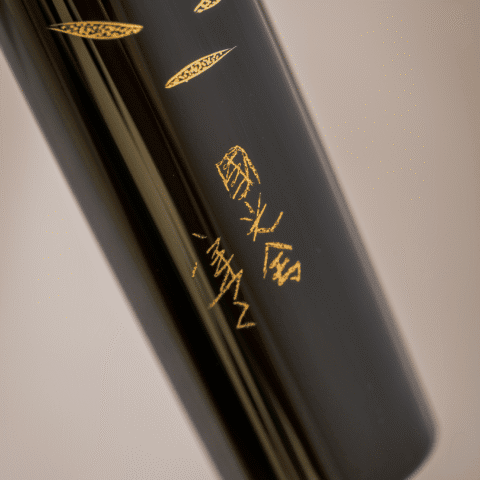
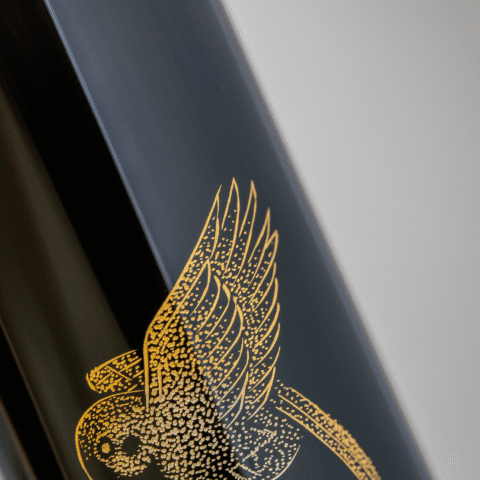
Chinkin (沈金) literally means “sunken gold.” It is a lacquerware technique in which the design is carved into a lacquered surface instead of painted on top of it. The artisan uses fine chisels to cut delicate lines and dots into the cured urushi lacquer. Fresh lacquer is then worked into those incisions, and gold powder or leaf is pressed in so that it adheres only inside the carved lines. The excess is wiped away, leaving the design glowing from within the surface.
What makes chinkin so demanding is that it cannot be undone. Every cut is permanent, and the artist must hold a steady hand across hundreds or thousands of tiny strokes that form feathers, leaves and textures. The curved surface of a pen barrel makes this harder still. One retailer describes the result as a design carved into precious resin with an urushi lacquer coating. Another says every single carve is a true challenge, and one calls the technique a delicate art mastered by only a few lacquer specialists.
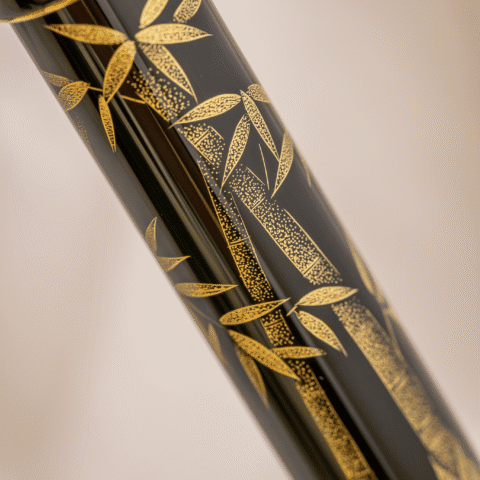
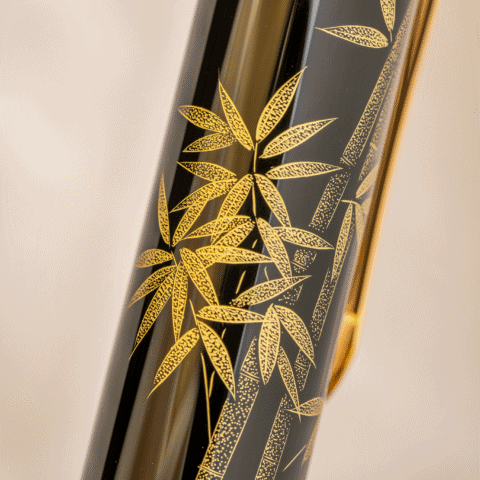
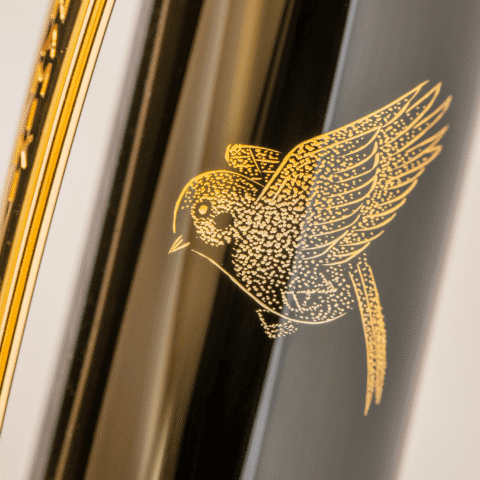
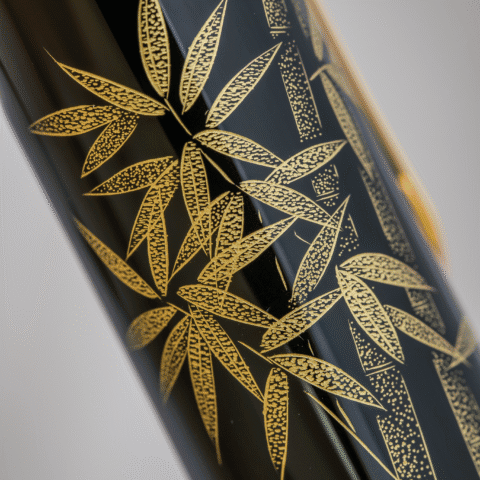
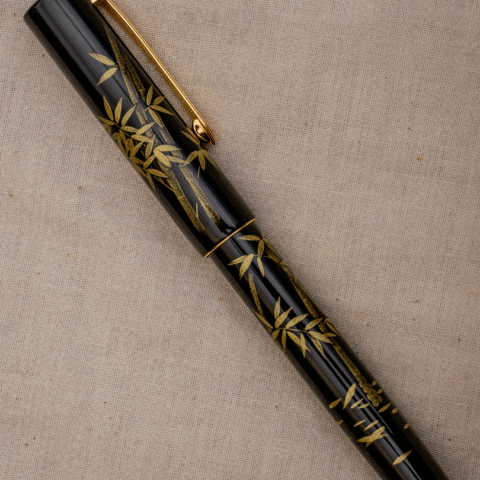
This is what I loved most about the pen. From an untrained eye, they might assume the gold design is drawn or printed on the pen, but there is more to that. Each individual line, stroke, or even the minuscule dot is hand-carved and then inlaid with gold (powder/leaf). There is Youtube video that shows how special and hard the Chinkin technique is and is very worth watching. This is not a pen that had random design on it but a well-thought-out design by a master craftsman. I can just look at the intricate designs for hours and be in awe of the talent.
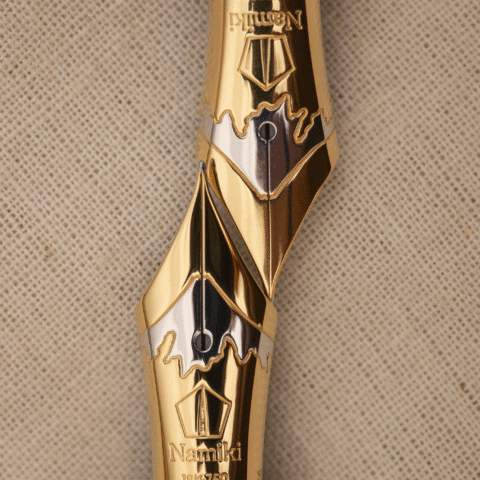
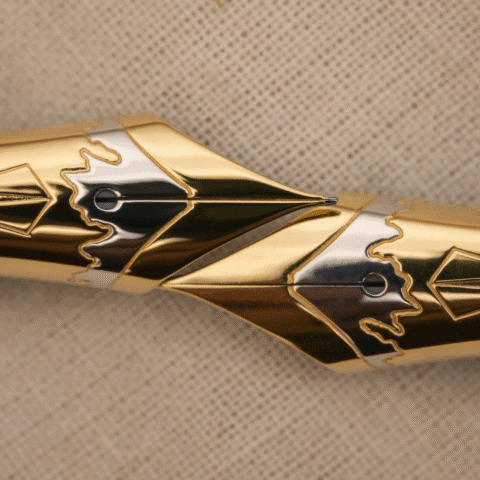
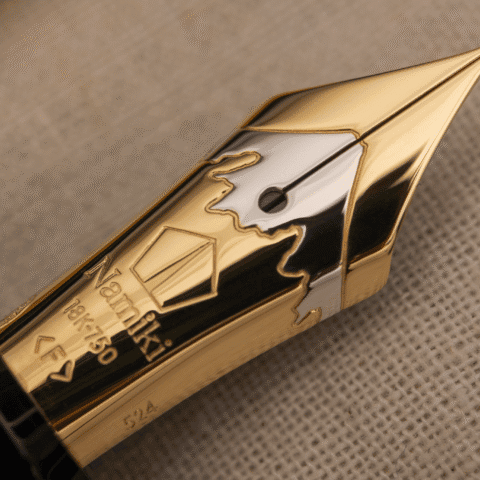
The design is a must-see and I knew I could not just take photos of it without properly showcasing the design up close. That is why I had to purchase a macro lens to show every detail.
“Bamboo and Sparrow”
Background in Japanese Culture
Bamboo and sparrow (take ni suzume, 竹に雀) is one of the most beloved pairings in Japanese art. The combination is among the most popular in Japanese literature and art. You will find it in paintings, folding screens, kimono patterns and family crests. Samurai houses such as the Date clan of Sendai are well known for using a bamboo-and-sparrow crest. Bamboo is also one of the “Three Friends of Winter,” along with pine and plum, which are symbols of perseverance through hard seasons. The sparrow is an everyday bird that sits among the stalks, so the motif feels warm and intimate more than grand.
What It Symbolizes
Bamboo stands for strength, resilience and longevity. It bends under snow and wind but does not break, a quality captured in the Japanese proverb “Bamboo that bends is stronger than the oak that resists.” The sparrow stands for gentleness and intellectual depth, and it also carries ideas of good moments with family or friends. One retailer also notes that sparrows are associated with having many children, a sign of abundance and family. Together, the two symbolize endurance and joy. One seller even notes that Namiki doubles the luck factor by representing it in pairs on this pen.
The Art and the Creator
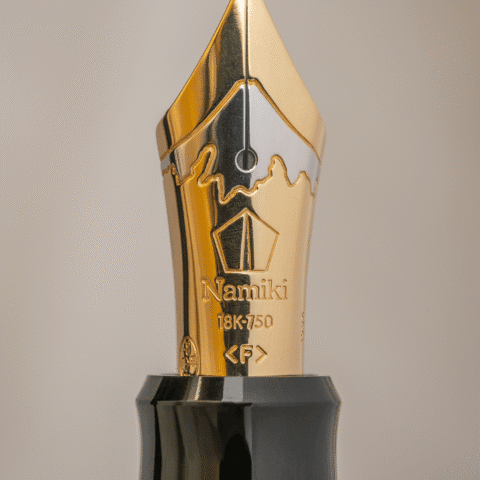
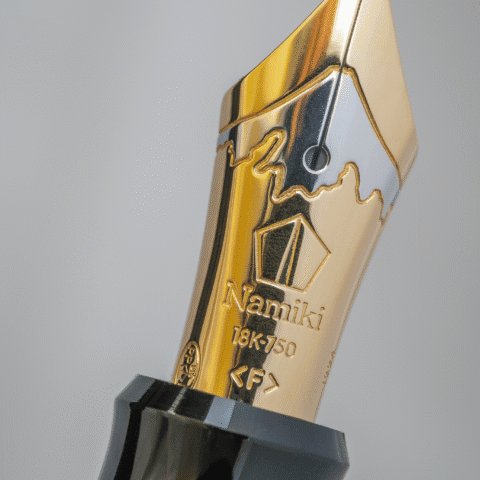
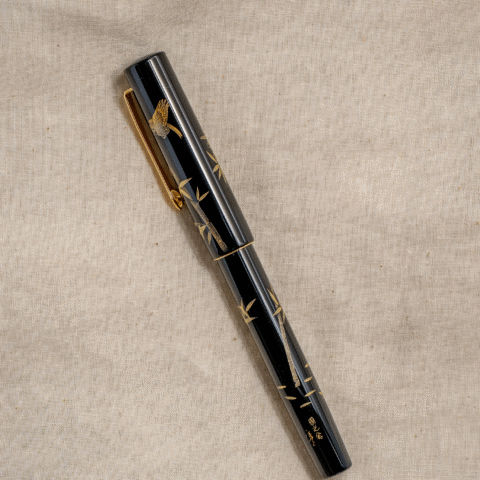
The Yukari Chinkin Bamboo and Sparrow was launched in May 2022 as the newest addition to Namiki’s Chinkin Collection. The design shows a sparrow flying over a bamboo forest. The sparrow is worked in complex patterns of carved dots and lines illuminated with gold powder. The pen follows the Yukari size but has a flat-top silhouette instead of rounded ends, and it uses a #10 18K gold nib, available in Fine, Medium or Broad. It fills by cartridge or converter, and a CON-70 converter is included.
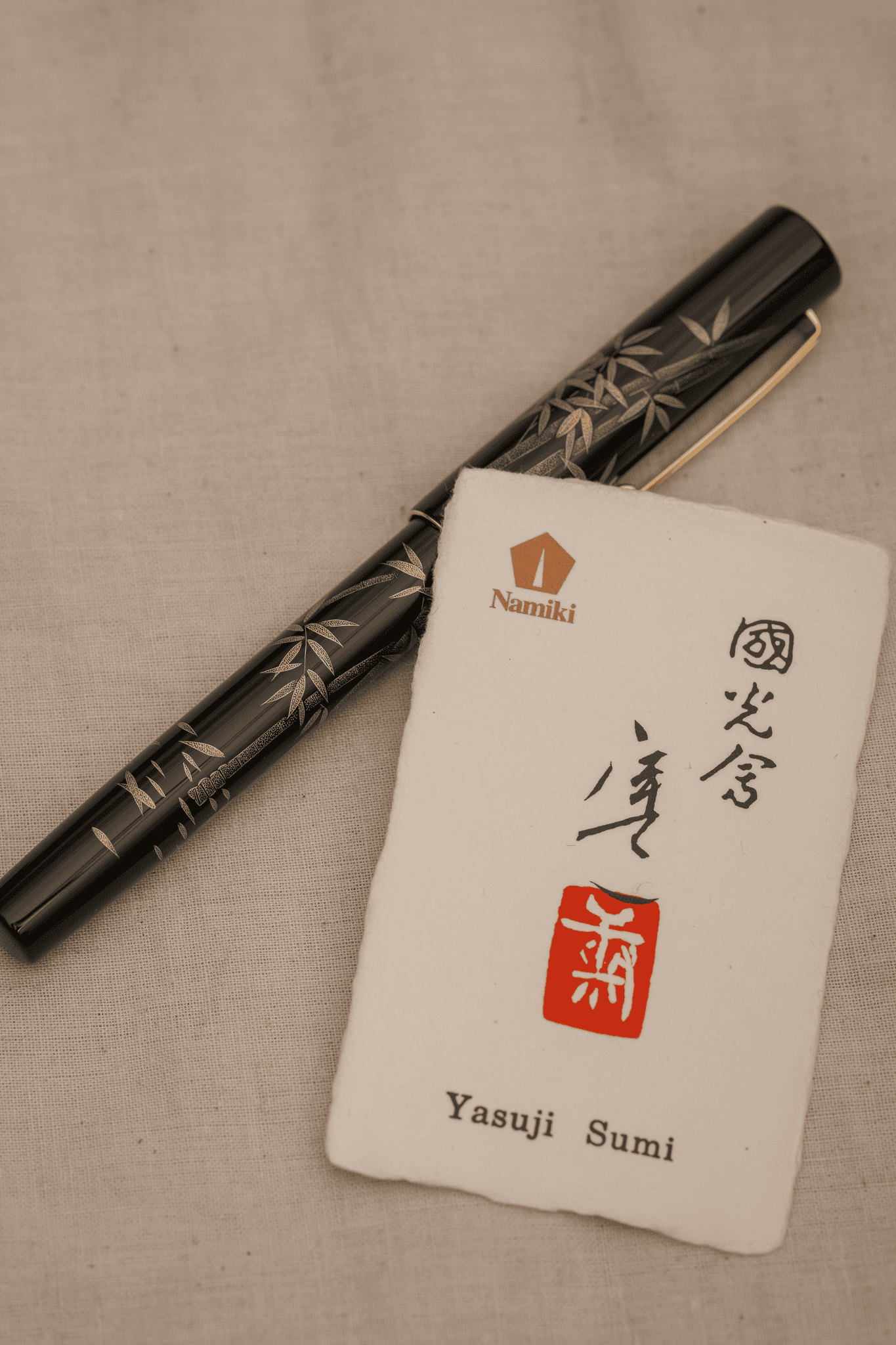
The artist behind it is Yasuji Sumi. Retailers credit him as the master artisan who hand-finished the pen in the chinkin technique. He is also described as a renowned artisan of the Kokkokai group, a respected association of Japanese craft artists. His chinkin work extends across Namiki’s range, from Yukari pens such as Beauty of Autumn Leaves to the flagship Emperor-size pens, including a Peony model.
Artist-attributed pieces like this are sought after for a few reasons:
- Scarcity of skill. Very few artisans can carve chinkin at this level, so output is naturally limited.
- Human variation. Because each pen is carved by hand, no two are identical. Yours carries the individual character of the artist’s strokes.
- Provenance. Knowing a named master who made the piece gives it the same kind of standing as a signed work of art. Unlike other Chinkin pens, Yasuji Sumi is the one exclusively creating the “Bamboo and Sparrow” design.
- Lasting value. The lacquer and gold inlay are built to last for generations, which is why collectors often treat these pens as heirlooms.
What the Pen Came With
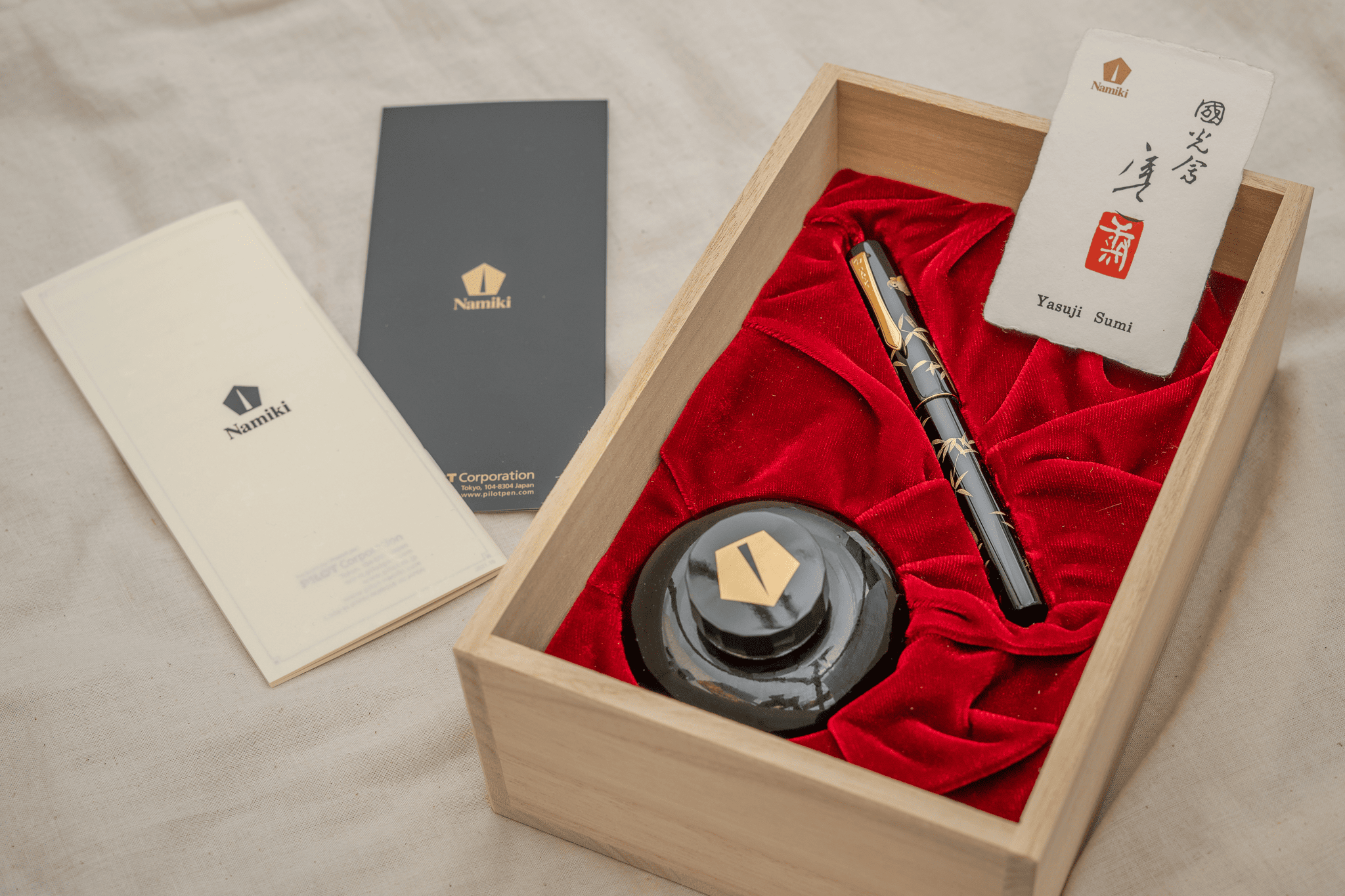
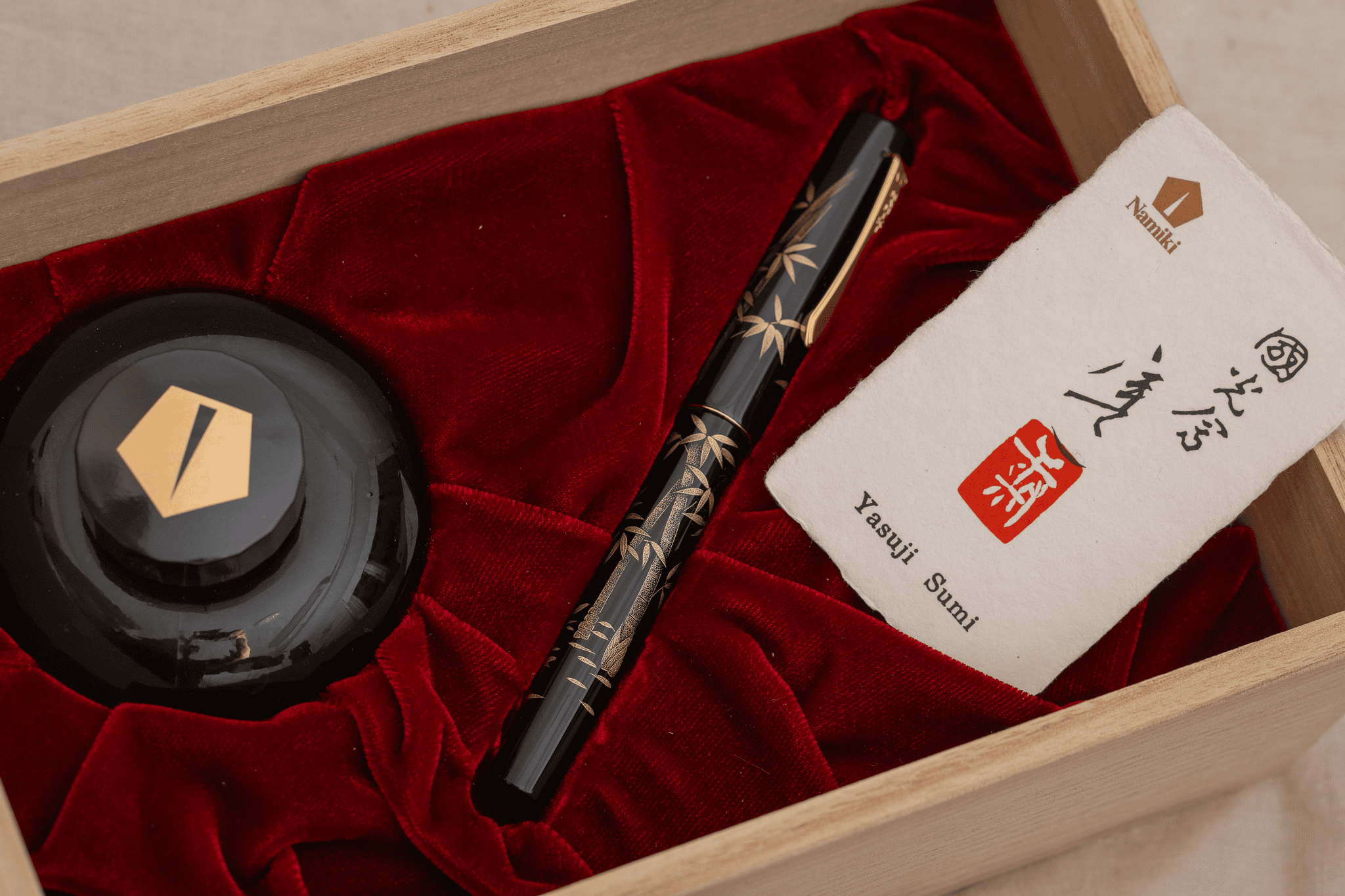
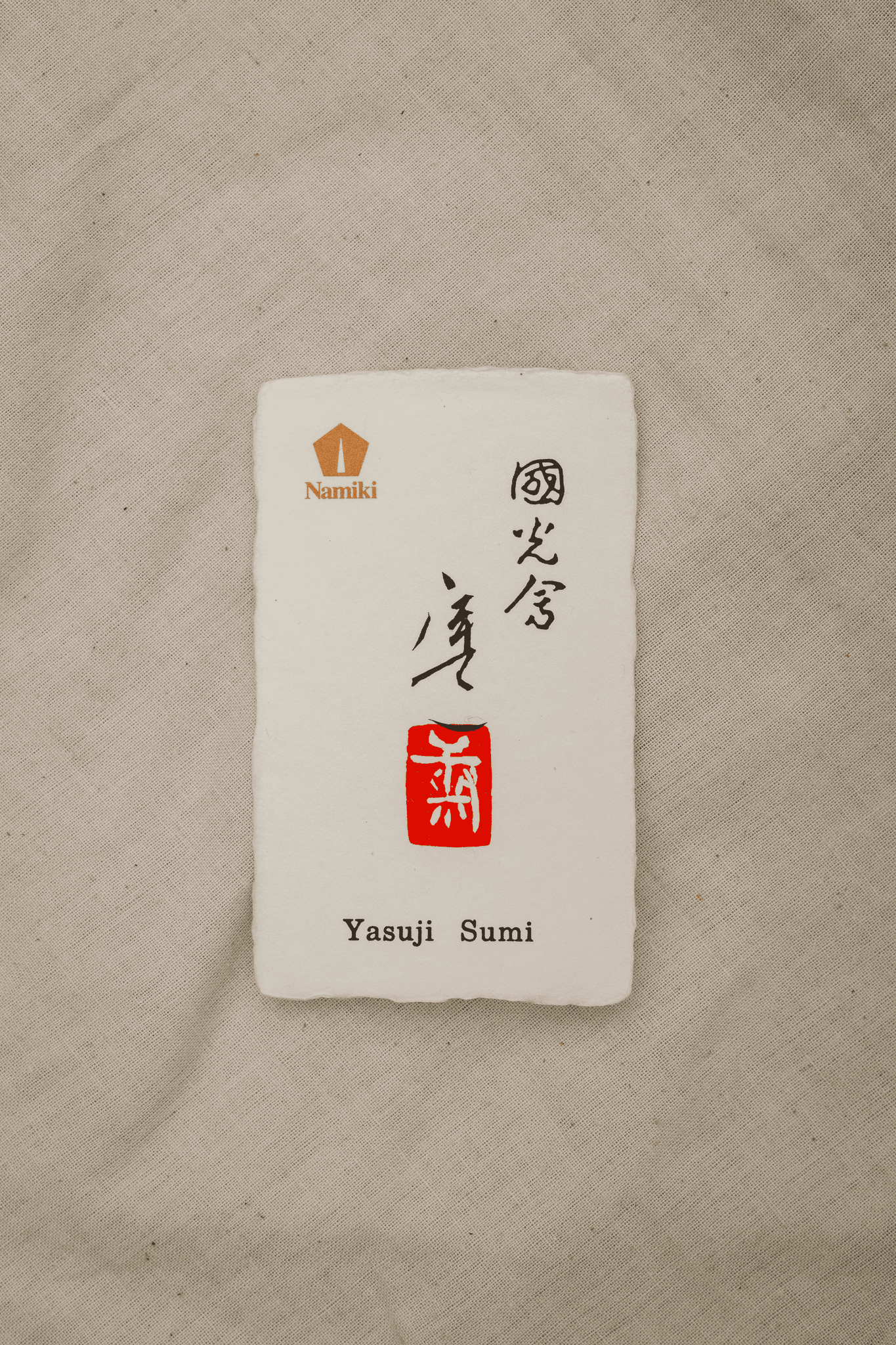
Since you are not simply owning a pen but a legitimate artwork, Namiki ships the pen in a big box. Think luxury watches. There is an initial cardboard box, then inside it is a big wooden box where the pen (and the free ink) is contained. Pamphlets are also included for the “Chinkin Technique Brochure”, the Namiki Warranty & Product Documentation, and finally the Artist Name Card (for Yasuji Sumi)
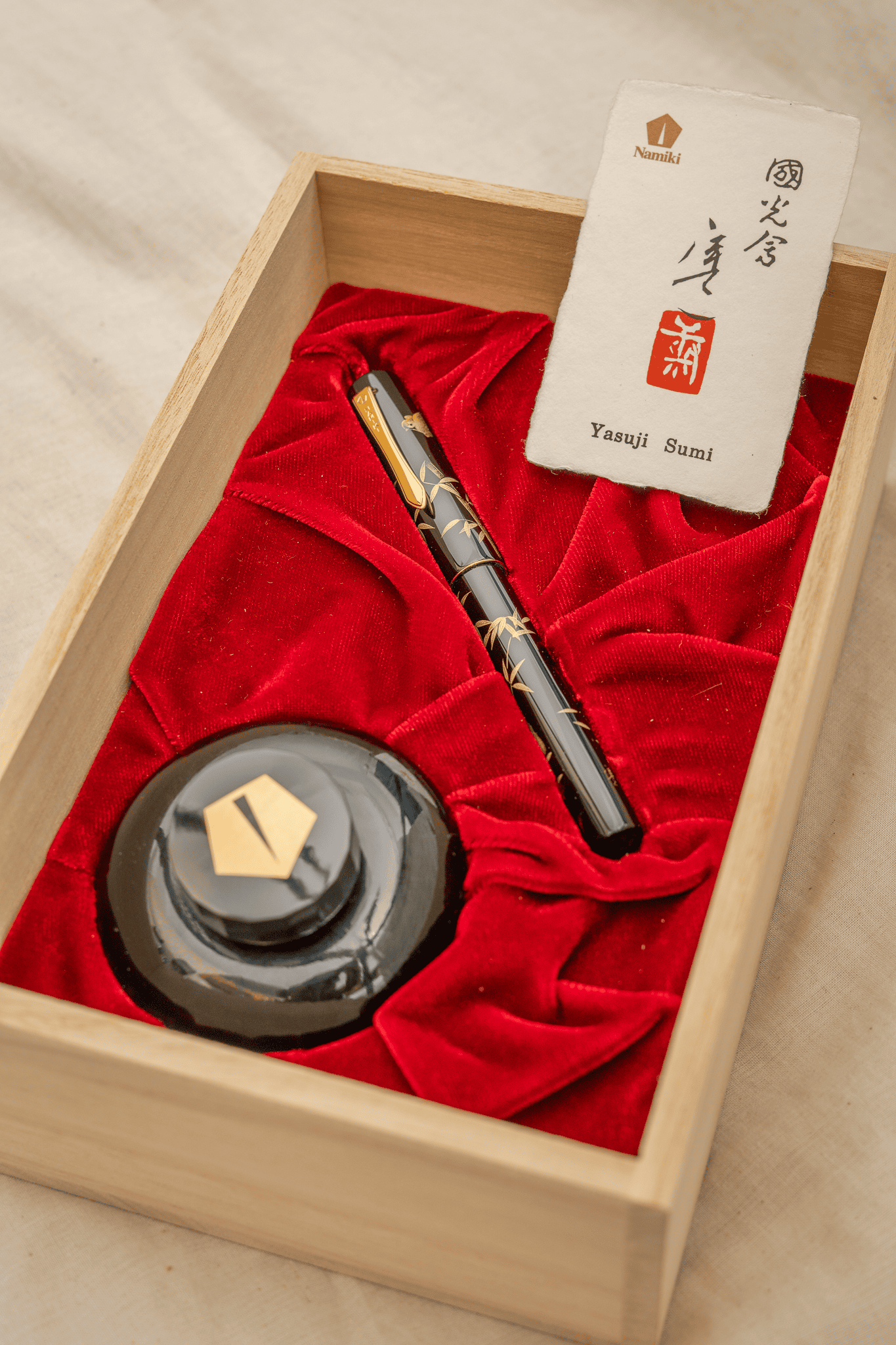
The Pen
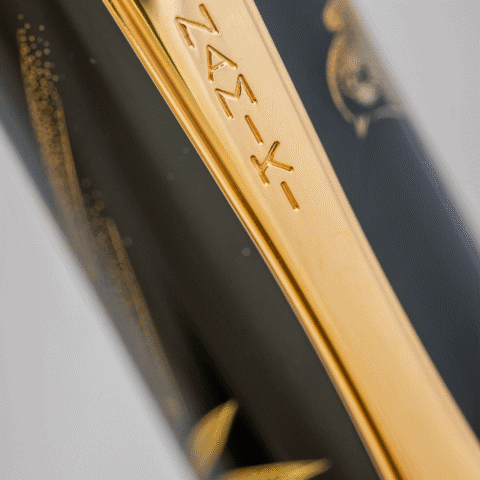
Photos of the pen with close-up shots where you can see the individual lines and dots manually carved by Yasuji Sumi. The macro lens provides you with a very close up look of the intricate details this pen has to offer, but seeing and holding this pen personally takes it to another level.
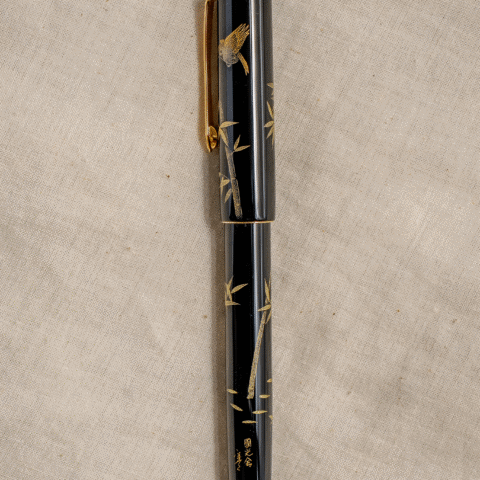
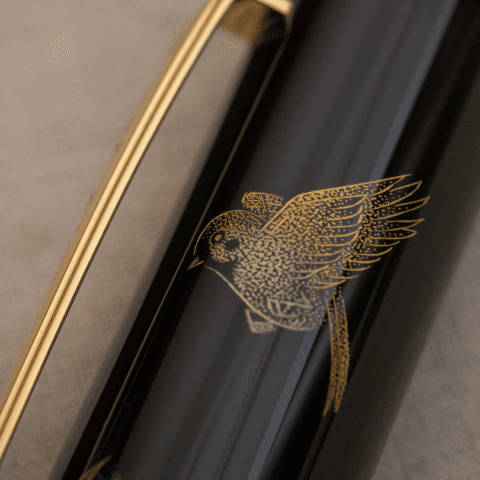
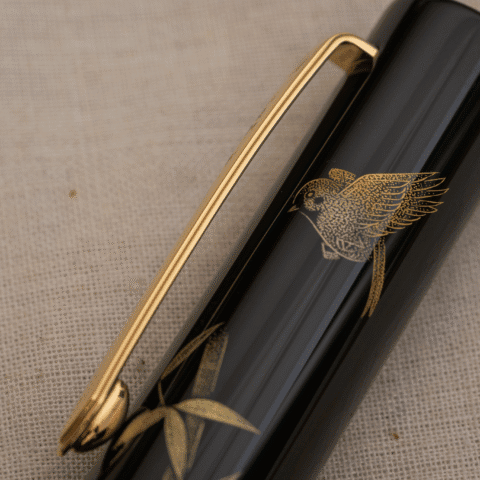
Additional Pen Shots
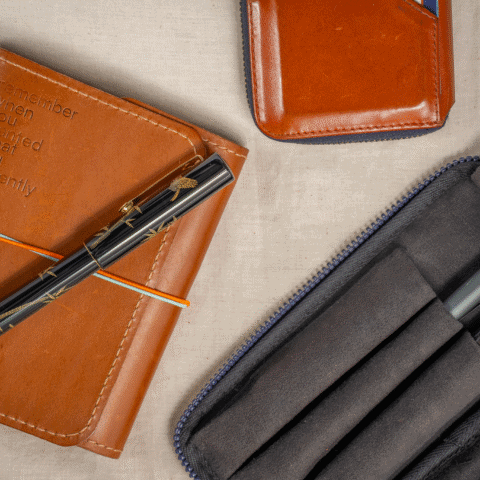
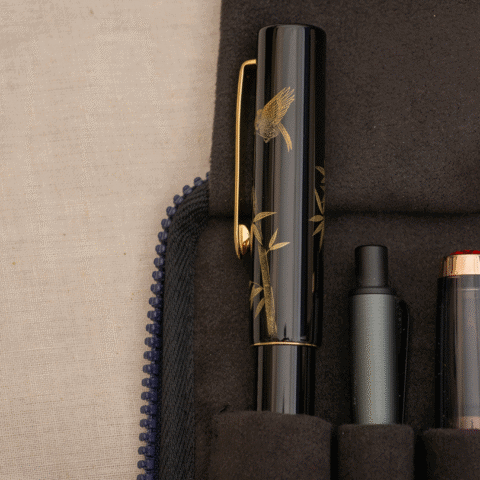
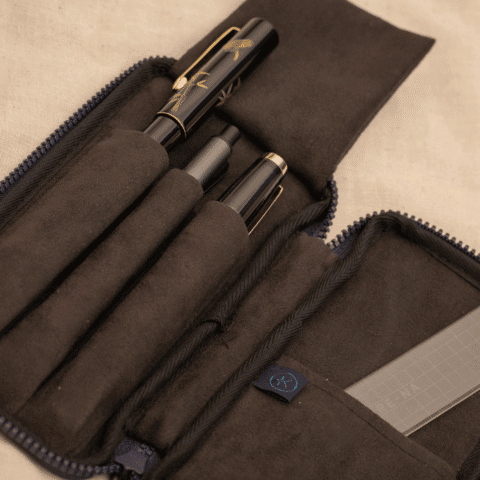
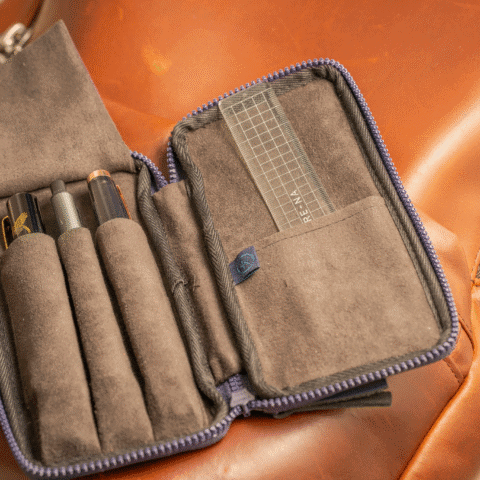
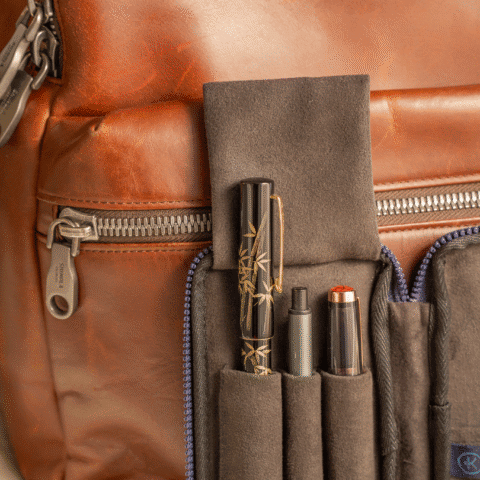
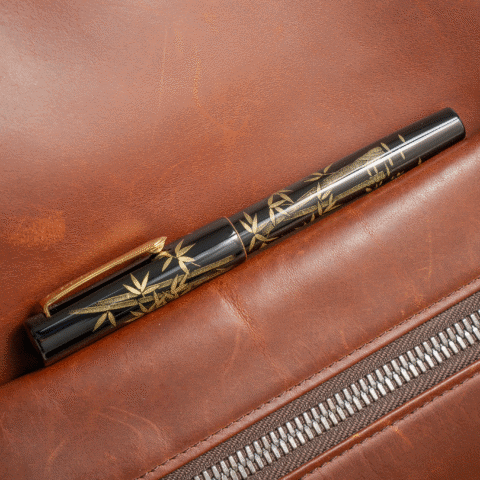
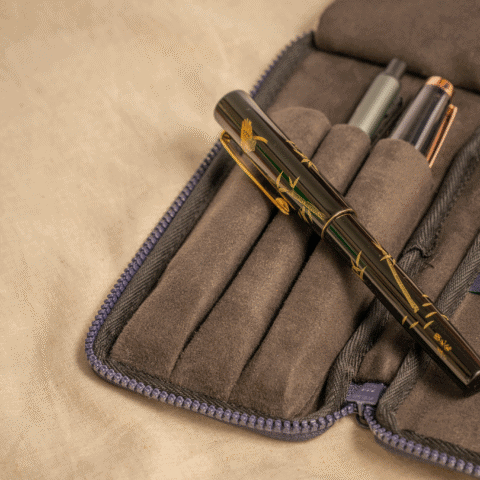
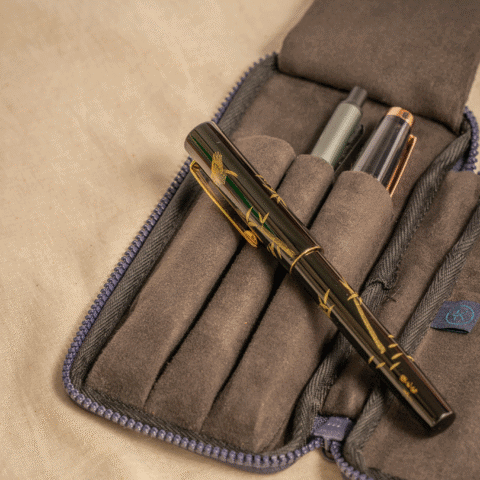
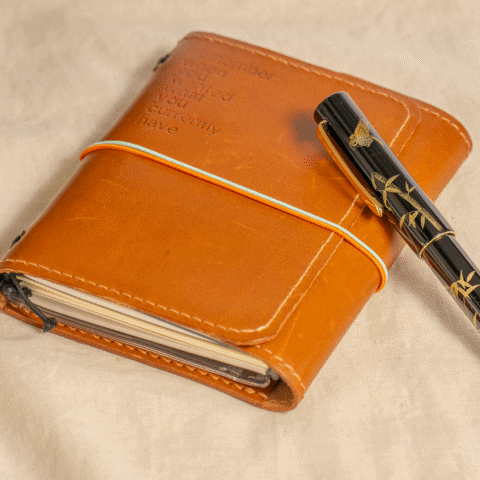
Photos of the pen “in the wild”.
Special mention to Sting & Snout Bindery (website|instagram) for the amazing personalized Journal
Kyoku Haku for the pen case (website|instagram)
Shinola Runwell Backpack (website)
One Pen? Make it Two.
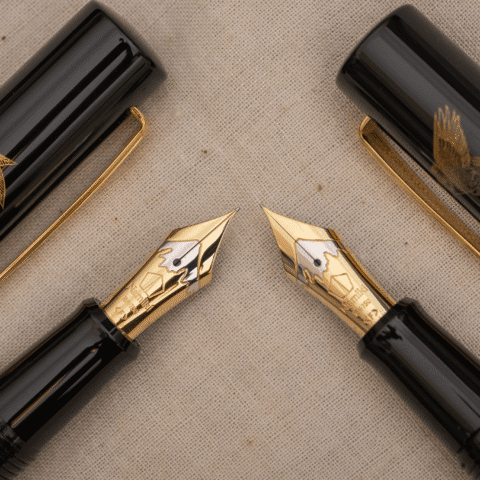
This is not just my journey. Another pen is with us. Same story, same conclusion on what pen she wanted. Got it the same day, so why not show them side by side? The “Bamboo and Sparrow” with the “Autumns with Leaves”, both from the same master craftsman Yasuji Sumi.
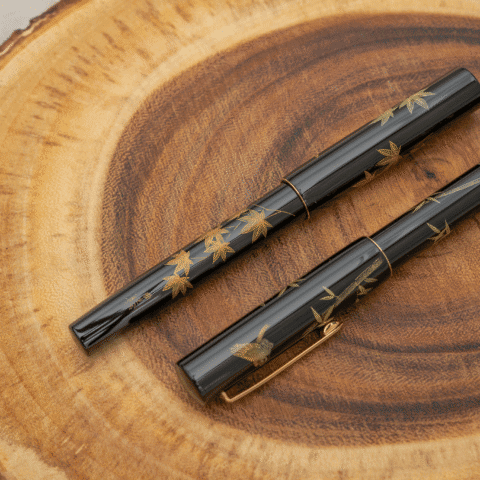
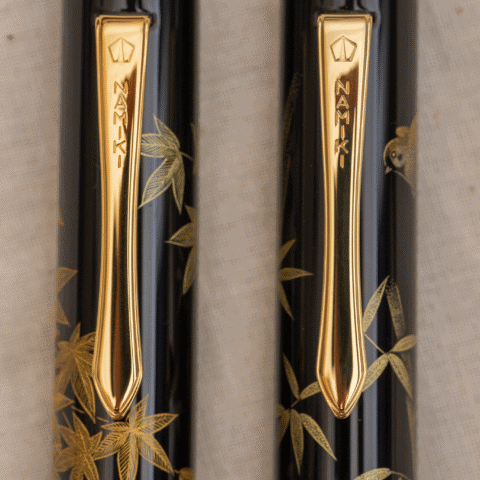
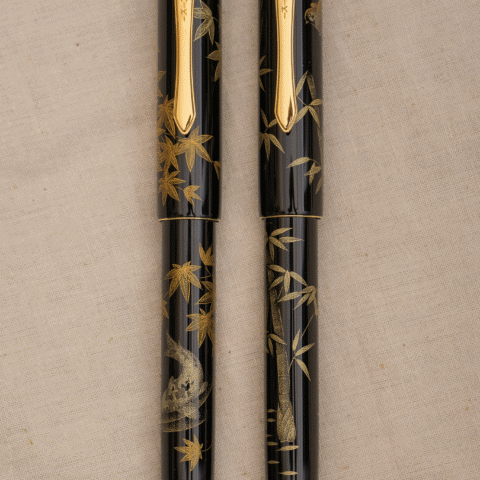
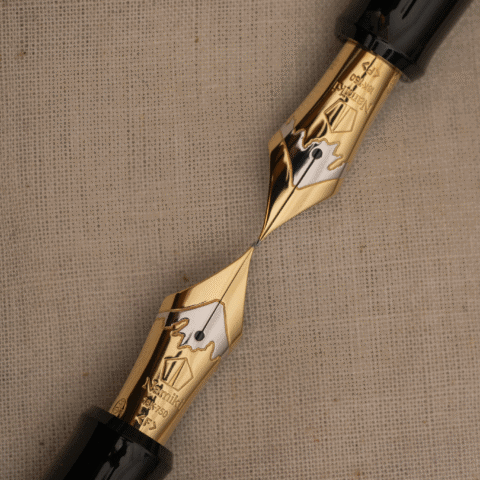
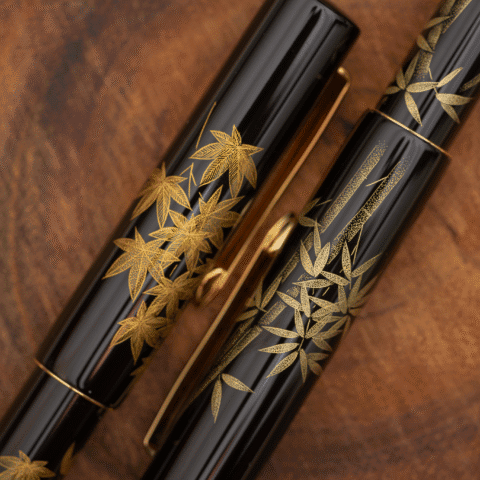
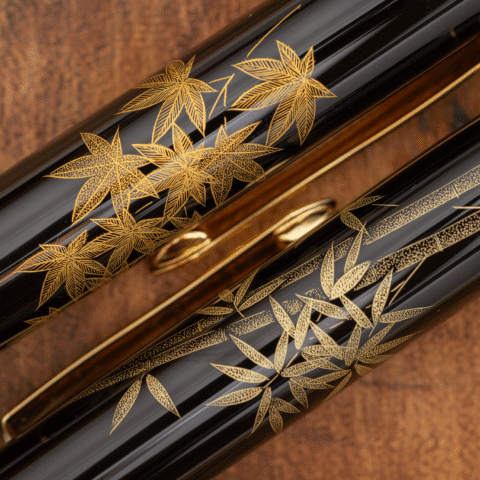
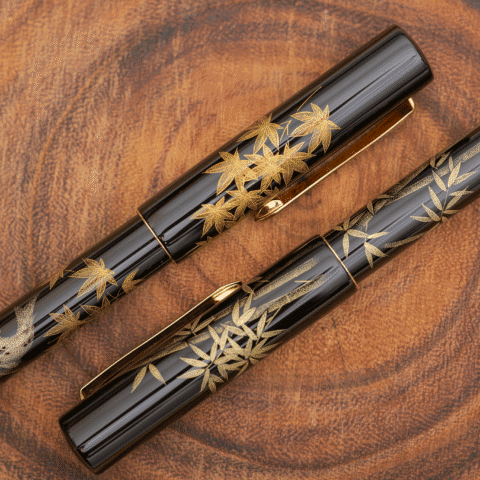
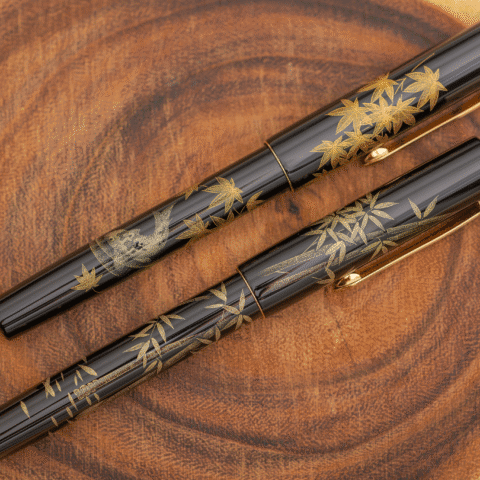
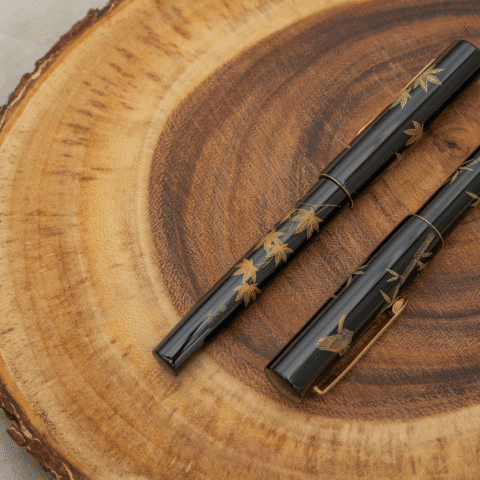
All photos taken with a Sony a7rV with the following lenses:
- TTArtisan 100mm F2.8 Macro 2X
- Sony FE 50mm f/1.8
- Sigma 85mm F1.4 DG DN Art
Special thanks to The Manila Penography for the “budol”
| https://manilapenography.com/ | IG: @themnlpenography | FB: @TheMnlPenography
Product Links:
https://www.pilot-namiki.com/en/collection/chinkin/bamboo-and-sparrow/
https://manilapenography.com/products/namiki-chinkin-bamboo-and-sparrow